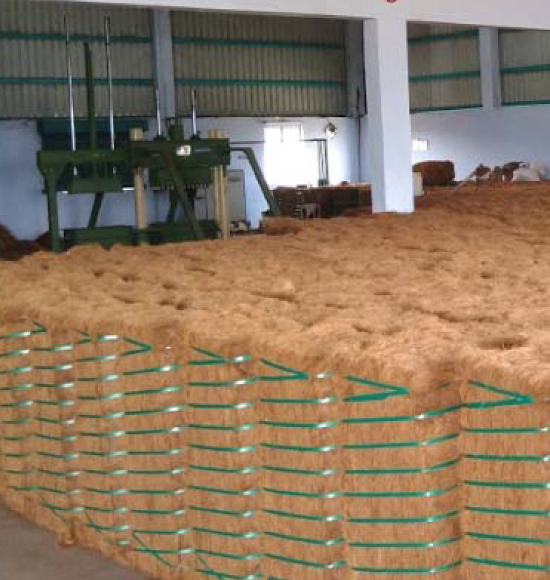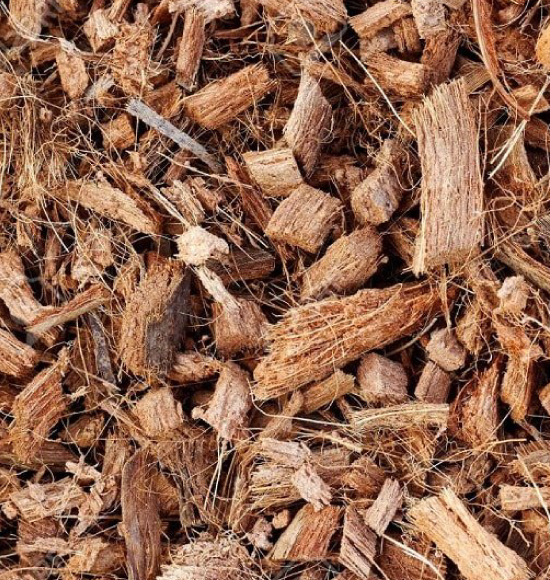
Garden and tender coconut waste, previously seen as agricultural and household waste, now hold immense value as they undergo innovative transformations. Coconut husks can be utilized to extract coir fiber for versatile applications, while the remaining coir pith serves as an organic fertilizer and horticultural substrate. Additionally, coconut shells can be carbonized, yielding charcoal for fuel, activated carbon, and other purposes. By adopting these waste management techniques, the coconut industry promotes sustainability, resource efficiency, and circular economy principles, thereby minimizing environmental impact.
Pith is an exceptional product that offers a multitude of advantages for various applications. Known for its lightweight and sustainable nature, pith serves as an excellent alternative material in numerous fields. With its unique specifications and environmentally friendly properties, pith has become a popular choice for several industries.
Our coir and baby fiber product is a remarkable and eco-friendly solution suitable for a variety of applications, primarily in horticulture and beyond. Combining coconut coir and baby fiber, this product offers numerous advantages and features that make it highly sought after in different industries.
Coco husk, also known as coconut husk, is a natural and sustainable material that serves as an excellent alternative to traditional resources. It finds extensive applications in various industries, particularly in the burning use sector.
The moisture content of the wood chips was 28.00-37.00% with a net calorific value of 3000 -3700 kJ/kg and ash content of 04 -05.00%